

According to the American Diabetes Association (ADA) 2022, gestational diabetes (DTDTK) is diabetes diagnosed during the quarter 2 or precious 3 Pregnancy with unknown diabetes status before pregnancy. GDM affects approx 14% pregnancies worldwide, represents approx 18 million births every year. Particularly Vietnam, incidence rate from 3.6 – 39% depending on diagnostic criteria and population characteristics.
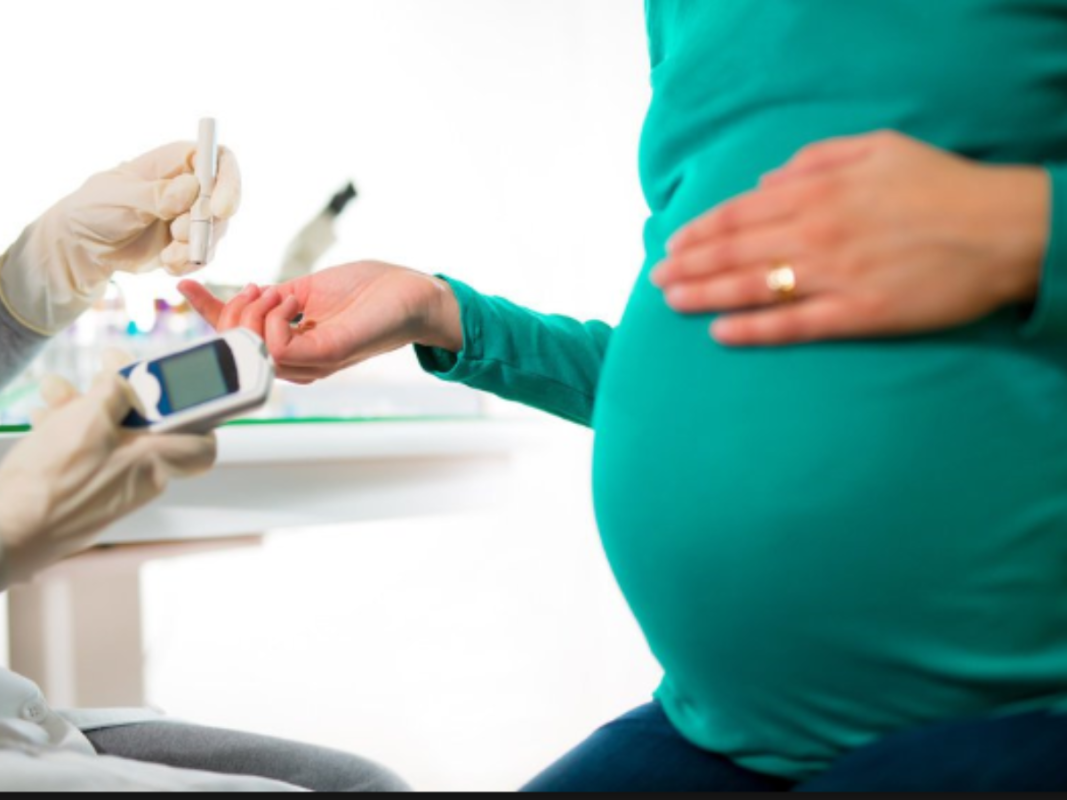
If you have diabetes during pregnancy, does not mean you had the disease before pregnancy or after giving birth. However, Gestational diabetes puts you at increased risk of developing type diabetes 2 in the future.
Besides, if not treated properly, This condition increases the risk of developing diabetes in children, At the same time, it causes health complications for both mother and child.
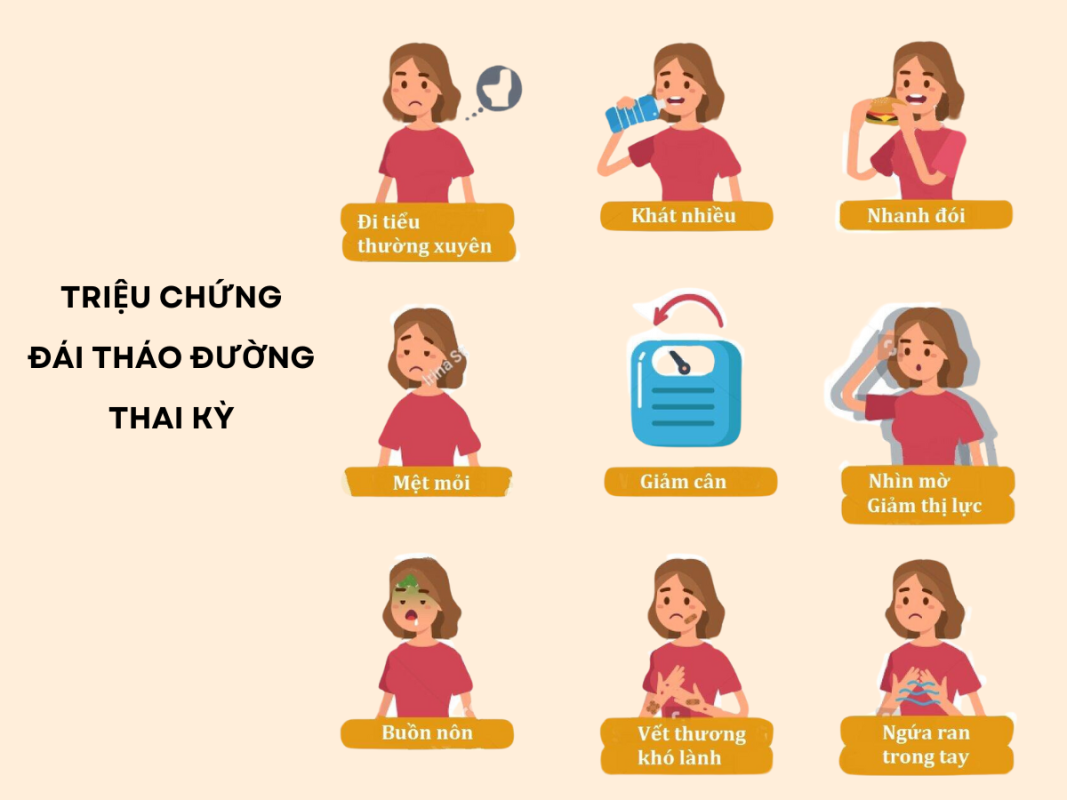
Very rarely does diabetes during pregnancy cause obvious symptoms. The disease is only detected during routine examinations of pregnant women if symptoms of diabetes appear, include:
- Urinating many times a day;
- Tired;
- Blurred vision;
- Constant thirst;
- Snoring;
- Gaining weight too quickly compared to recommendations.
Causes of gestational diabetes
The pathogenesis of GDM is the result of pancreatic β-cell dysfunction on the basis of chronic insulin resistance during pregnancy under the combined influence of placental hormone factors..
When we eat, The body breaks down carbohydrates from food into a sugar called glucose. This sugar enters the blood, then moves to cells to provide energy for the body. An organ called the pancreas makes a hormone called insulin, Helps transport sugar into cells as well as reduce blood sugar levels.
During pregnancy, The placenta - the organ that nourishes and provides oxygen to the baby - secretes hormones that help the fetus develop. Some of these hormones make it harder for a pregnant woman's body to produce or use insulin (Also called insulin resistance).
To keep blood sugar levels stable, A pregnant woman's pancreas must produce more insulin - three times more than normal. In cases where the pancreas cannot make enough insulin, Pregnant women's blood sugar levels will increase, causes gestational diabetes.
Your risk of developing diabetes during pregnancy increases if:
- Being overweight - obese before pregnancy;
- Gain weight very quickly during pregnancy;
- Have relatives (parents, brothers and sisters) have type diabetes 2;
- Have high blood sugar, But not enough to be diagnosed with diabetes. This phenomenon is called prediabetes;
- Have a history of illness in a previous pregnancy;
- Above 35 year old;
- Have given birth to one or more babies weighing more than 4kg;
- Had a stillbirth, giving birth to a child with a birth defect, sinh non;
- Have or currently have polycystic ovary syndrome (PCOS).
The risks of gestational diabetes
For pregnant women with diabetes during pregnancy, Possible health complications are:
- Hypertension during pregnancy and preeclampsia: These are two serious complications of pregnancy, can threaten the lives of both mother and child.
- Caesarean section: Because the baby is too big to be born normally, So you will likely have to have a cesarean section if you have gestational diabetes.
- Increased risk of premature birth.
- Increased risk of spontaneous abortion
- Increased risk of urinary tract infections.
- Having diabetes in the future: You are at risk of experiencing this condition again in your next pregnancy. Not only that, You are also at risk of developing type diabetes 2 when old.
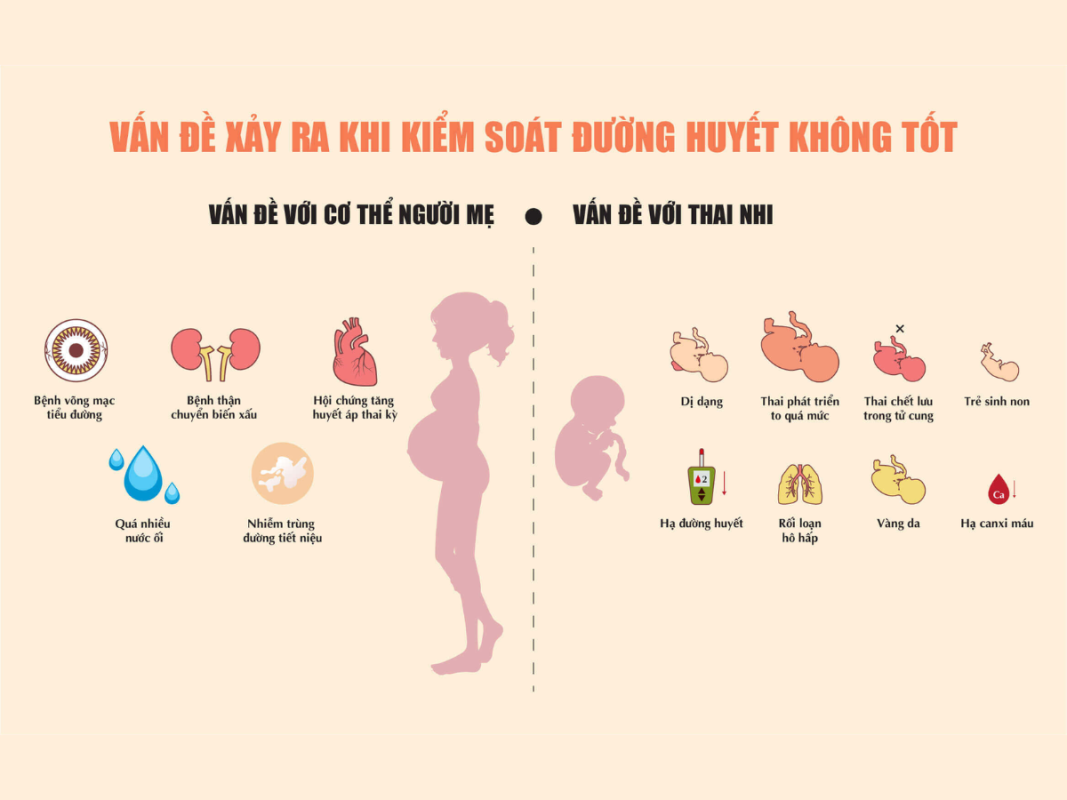
- Excessive growth and macrosomia: Higher than normal blood sugar levels in the mother cause the fetus to grow too quickly, leading to quite large birth weight (Usually over 4kg). A fetus that is too large will easily experience injury during birth or be unable to give birth normally.
- Premature birth: High blood sugar increases the risk of premature labor and giving birth before a pregnant woman's due date. Or pregnant women are advised to give birth early because the baby is too big.
- Severe difficulty breathing: Premature babies born to mothers with the condition are at risk of respiratory distress syndrome – a condition that causes difficulty breathing.
- Low blood sugar (hypoglycemia): Sometimes, Babies born to mothers with gestational diabetes will face low blood sugar soon after birth.. Not only that, Severe episodes of hypoglycemia can also cause seizures in your baby. It is necessary to feed the baby immediately or give the solution intravenously to bring the baby's blood sugar back to normal.
- Birth defects.
- Death immediately after birth.
- Increased red blood cells, newborn jaundice.
- Risk of obesity and type diabetes 2 when grown up.
- Stillbirth: Gestational diabetes, if not well controlled, can cause the fetus to die before or shortly after birth.
Recommended screening for gestational diabetes
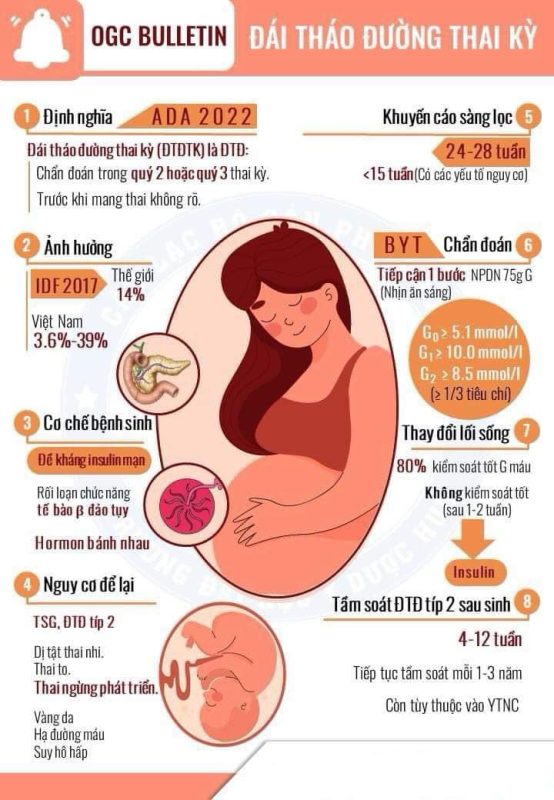
Screening for GDM is recommended at week 24-28 pregnancy for all pregnant women without previous diabetes and lower screening tests 15 weeks of gestation in pregnant women with risk factors.


